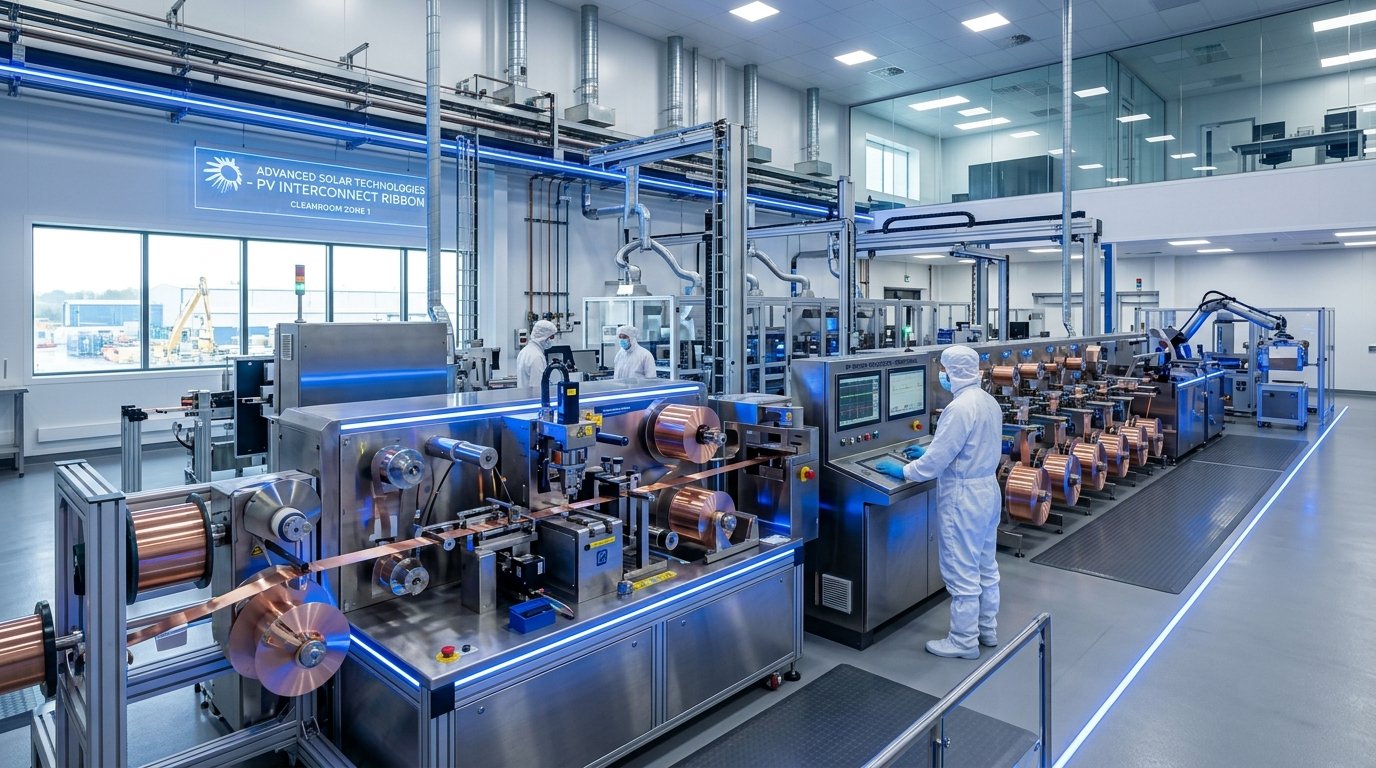
N-Type TOPCon and Heterojunction (HJT) solar cells use ultra-thin silicon wafers (110µm - 130µm). Sumati’s Ultrathin PV Busbar (60µm - 95µm) drastically reduces thermal contraction stress during tabbing, eliminating hidden micro-cracks.
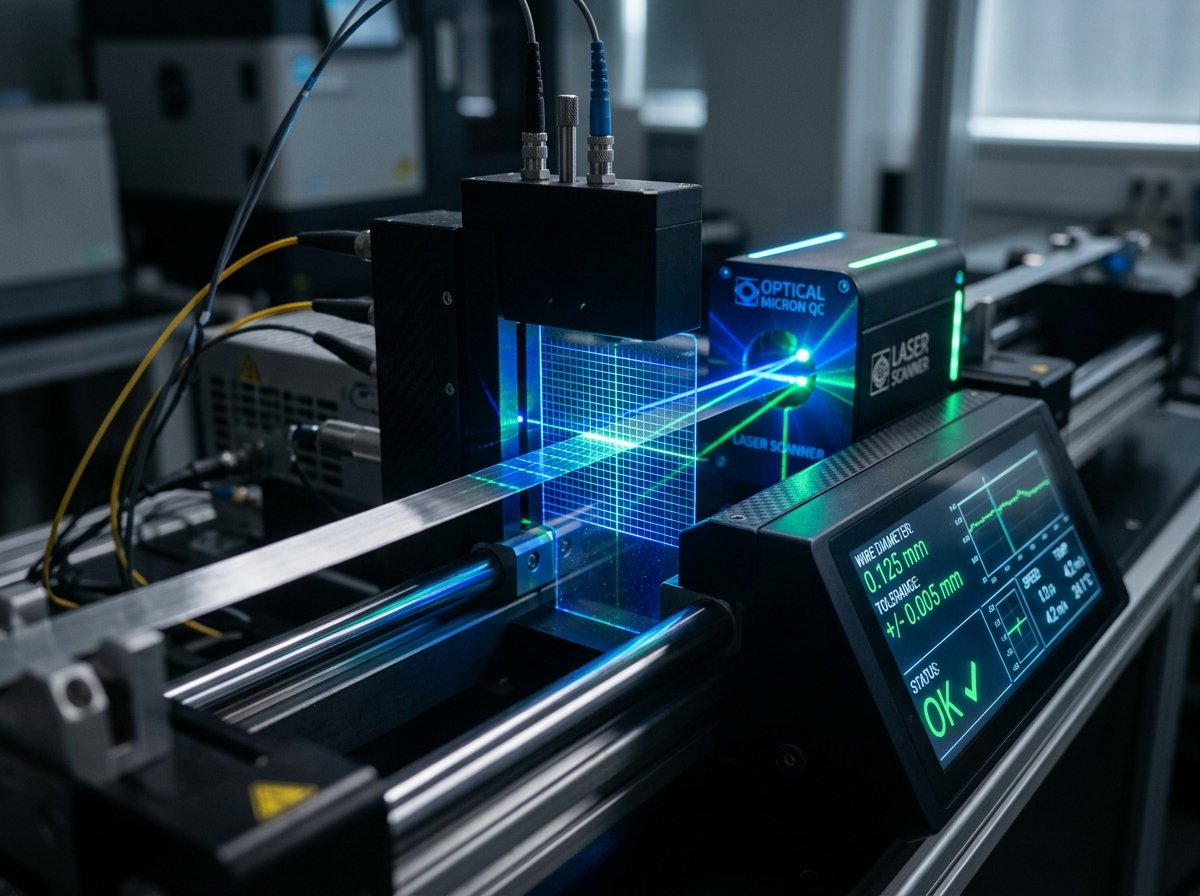
| Ribbon Thickness | 60 µm – 95 µm (± 0.003 mm) |
| Mechanical Cell Stress | 98% Reduction vs Standard Ribbon |
| Yield Stress | < 75 MPa Ultra-Soft Annealed |
| Cell Compatibility | N-Type TOPCon, HJT, Perovskite Tandem |
| Low-Temp Soldering | Low-temp Sn-Bi & Sn-Ag-Cu Compatible |
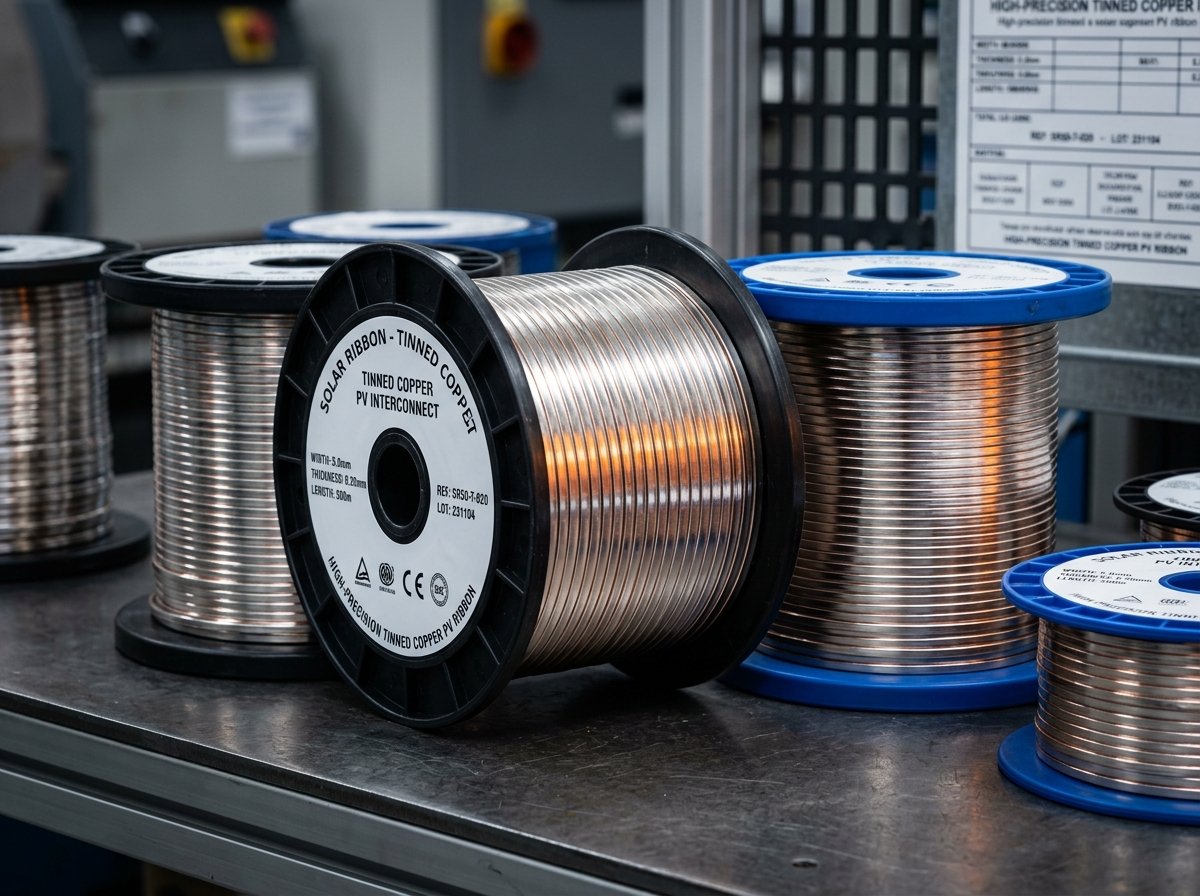
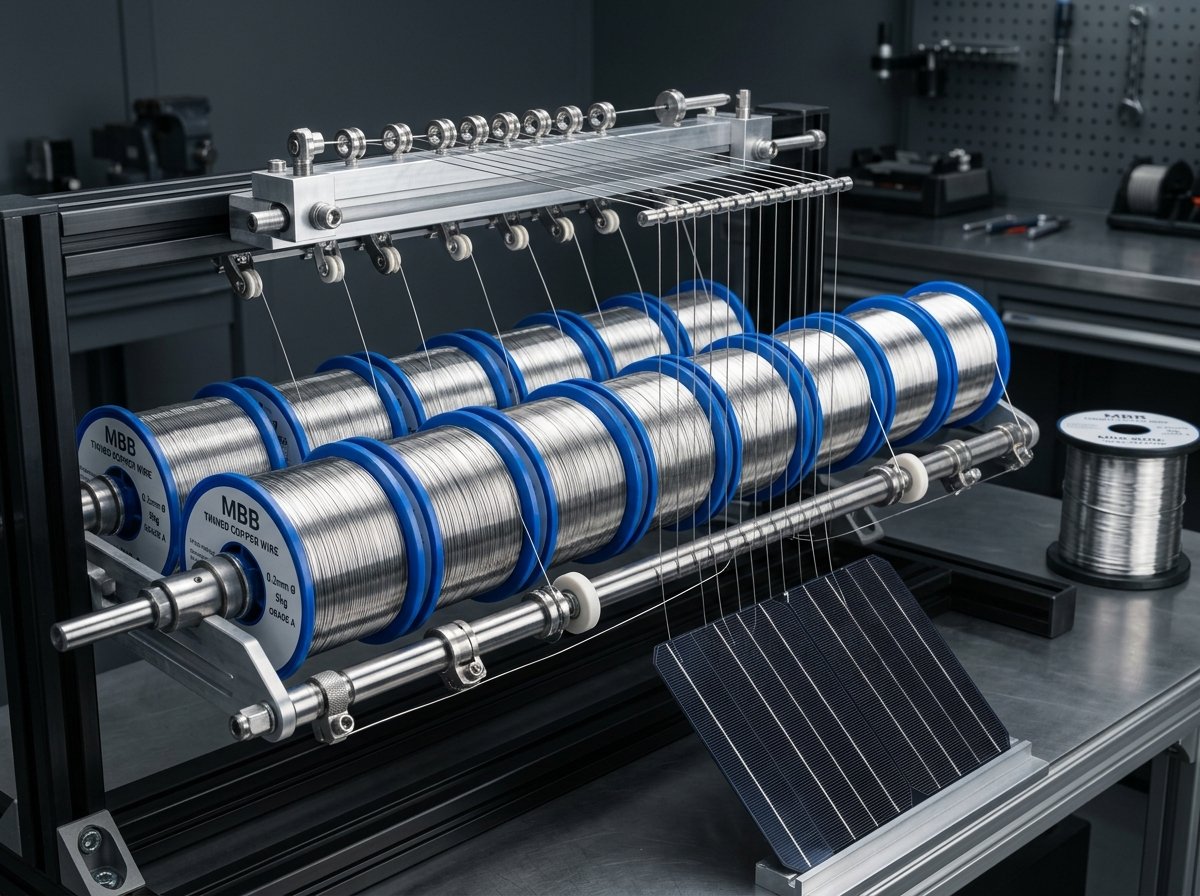
Sub-100 micron tinned copper ribbon engineered for ultra-thin silicon wafers and glass-glass solar module architectures.
Contemporary photovoltaic cell technology is undergoing an aggressive transition toward thinner, high-efficiency crystalline silicon wafers. Cutting-edge N-Type TOPCon (Tunnel Oxide Passivated Contact) and Heterojunction (HJT) solar cells employ wafer thicknesses below 120–130 µm that possess dramatically lower fracture toughness compared to legacy P-Type PERC cells. Sumati Ultrathin PV Busbar is specially developed with micro-calibrated profiles ranging from 60 µm to 95 µm (0.060–0.095 mm) with strict ±0.003 mm thickness control, slashing thermomechanical shear stresses on delicate cell substrates by up to 98%.
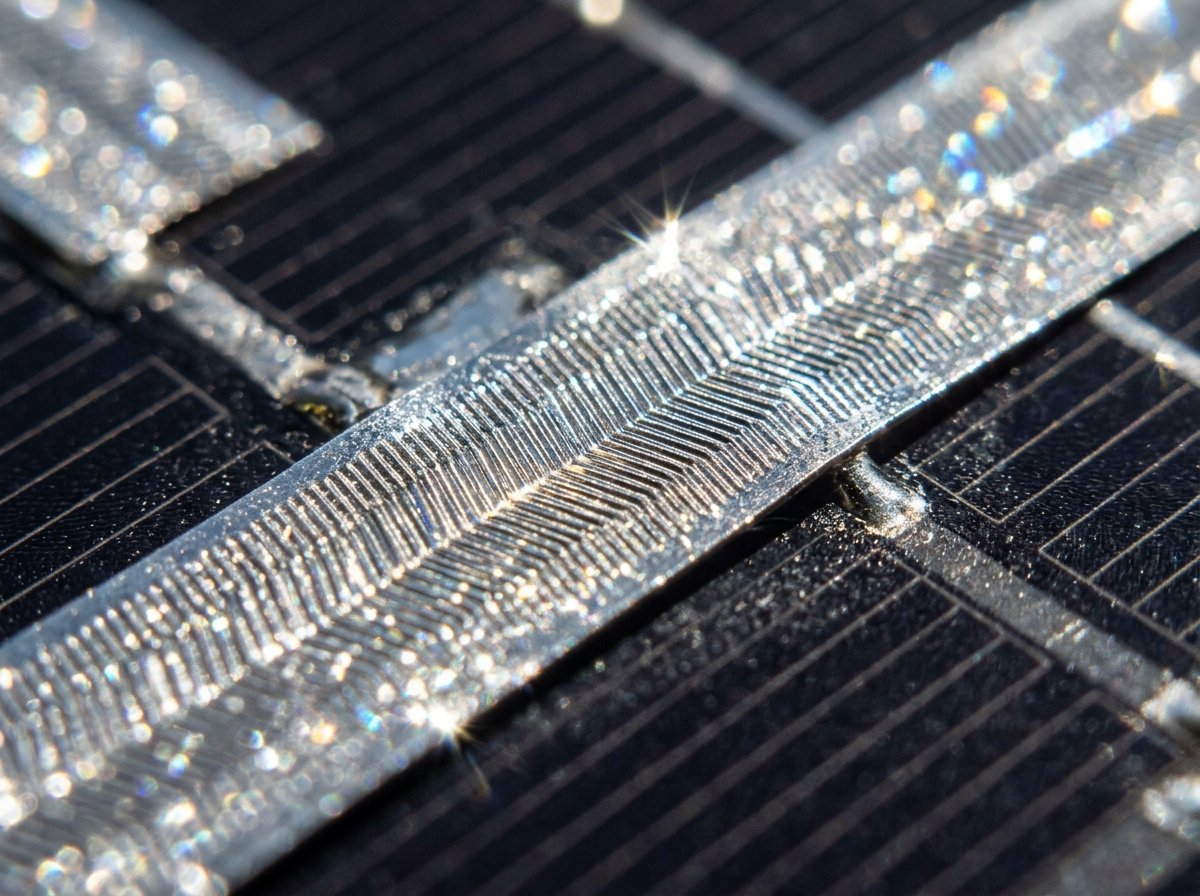
In dual-glass (glass-glass) and high-density zero-gap / shingled module architectures, ribbon step-height is the primary initiator of lamination micro-cracks. When thicker ribbons (> 0.20 mm) are encapsulated under vacuum pressure between two rigid glass sheets, intense localized compressive stress forms at the cell edge. Sumati Ultrathin Busbars minimize this elevation discontinuity, eliminating edge pinch points and micro-crack formation during vacuum membrane pressing.
To match the delicate thermal budget of HJT cells (which degrade at soldering temperatures exceeding $200^\circ\text{C}$), we electroplate our ultrathin ribbons with customized low-temperature bismuth-tin (Sn42Bi58, melting point $138^\circ\text{C}$) or fine-pitch SAC0307 alloys. This reduces thermal soldering heat input by more than $40^\circ\text{C}$, entirely preserving the passivation amorphous silicon layers of high-efficiency cells.
Combined with our continuous protective-atmosphere bright annealing that yields a super-soft yield strength below 75 MPa and elongation over 22%, Sumati Ultrathin Busbars guarantee that double-glass bifacial modules easily survive rigorous 400+ thermal cycling tests (double the IEC 61215 requirement) with zero micro-fissure propagation.