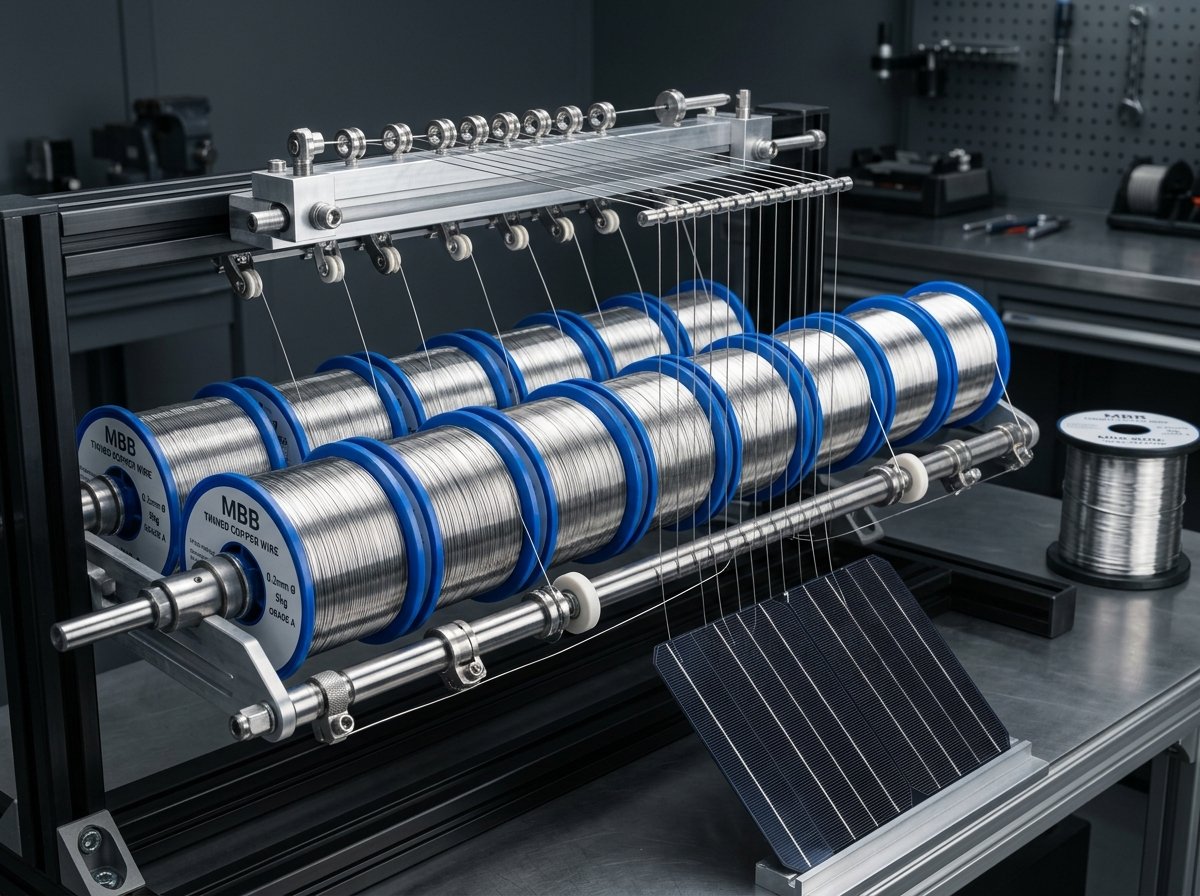
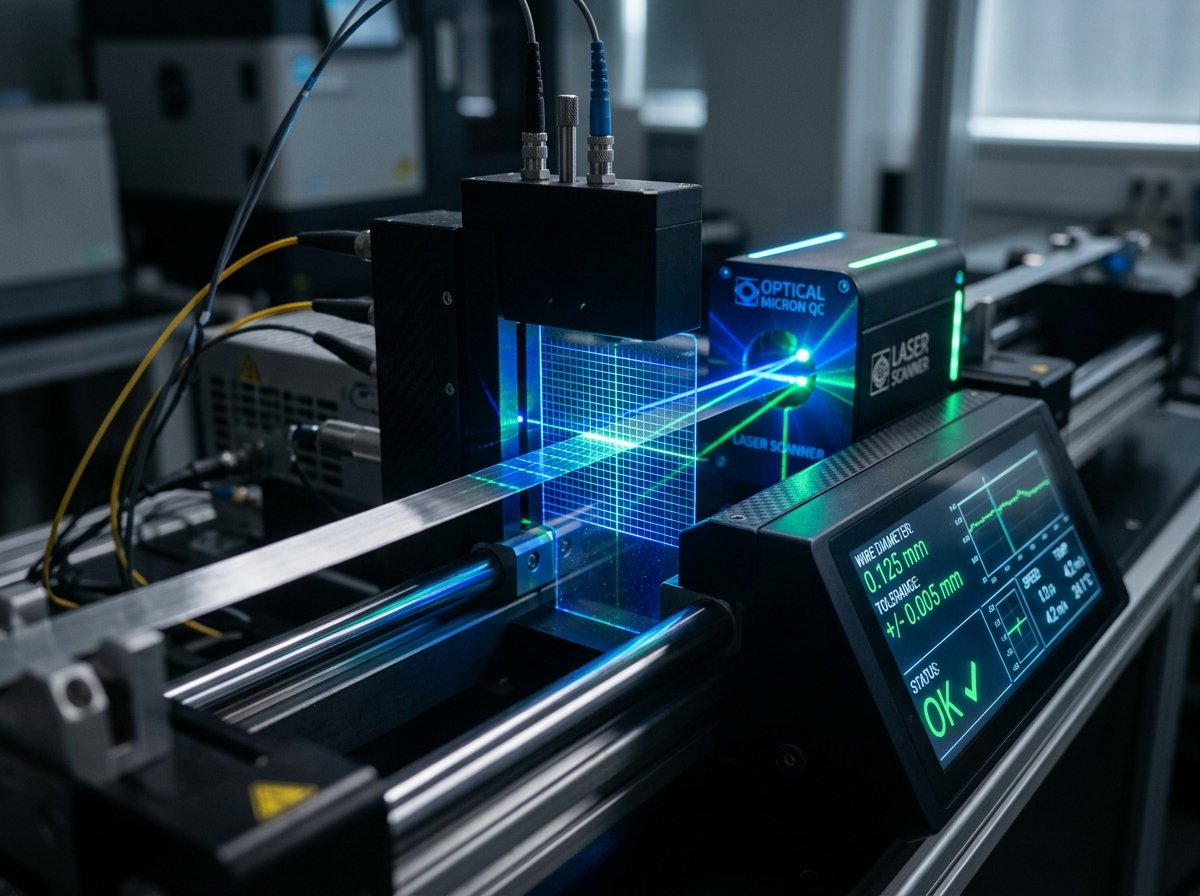
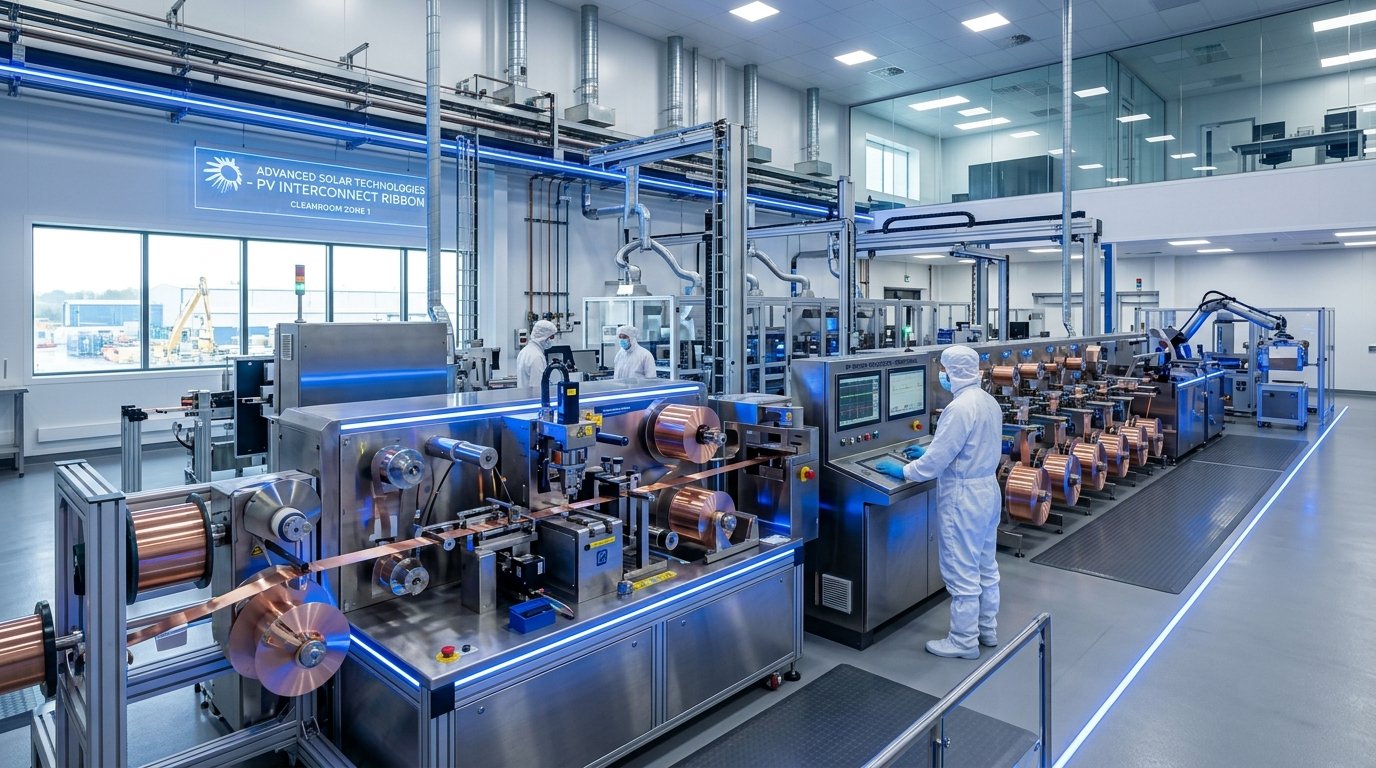
As solar cell technologies transition to 9BB, 12BB, and 16BB designs, our MBB micro round wire (0.22mm - 0.40mm) provides superior roundness (<0.002mm) and uniform coating, dramatically shortening current transport paths.
| Wire Diameter | 0.22 mm – 0.40 mm (± 0.003 mm) |
| Roundness Tolerance | < 0.002 mm |
| Conductivity | ≥ 99.8% IACS |
| Yield Strength | < 90 MPa |
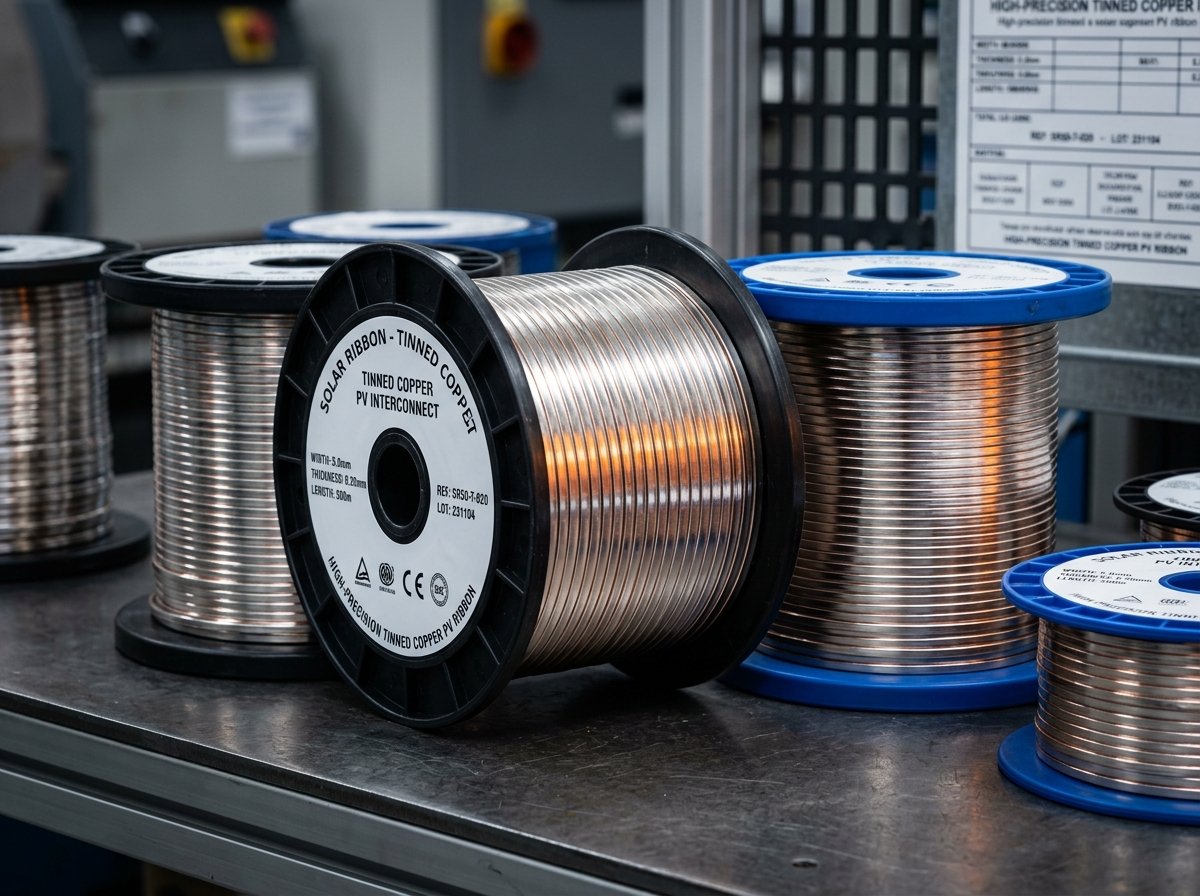
| Packaging Spools | DIN160 / DIN200 Reel Spools |
Ultra-fine round tinned copper wire engineered for 9BB to 16BB next-generation solar module stringing.
As photovoltaic cell architectures advance from traditional 5BB flat ribbons to Multi-Busbar (MBB) layouts—ranging from 9BB and 10BB up to 16BB and 18BB on large M10/G12 wafers—the interconnect conductor must radically diminish in cross-sectional profile while maintaining maximum electrical conductivity. Sumati Round MBB Wire is specifically engineered to meet these demanding micro-dimensional criteria with diameters spanning 0.22 mm to 0.40 mm controlled within an ultra-strict ±0.003 mm tolerance.
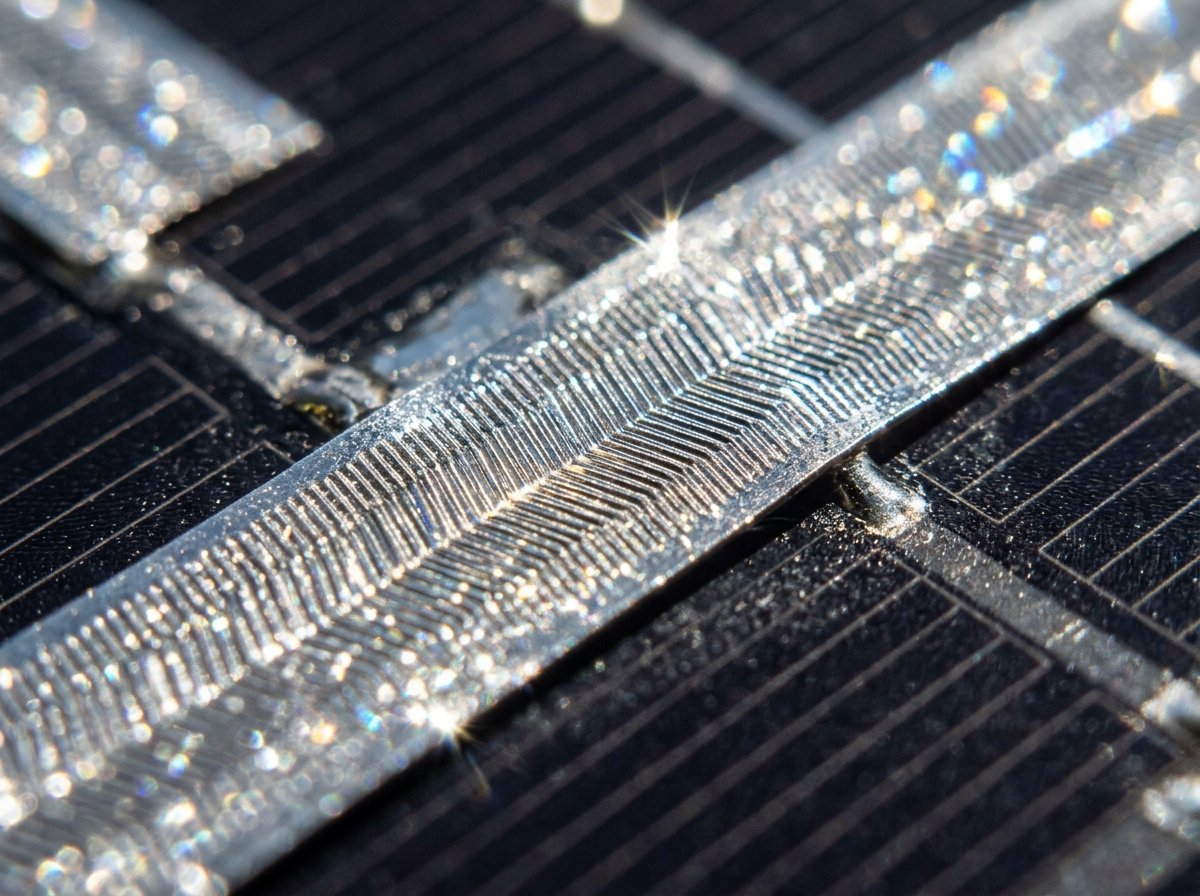
The fundamental advantage of our cylindrical micro-wire lies in circular optical scattering physics. Unlike planar flat ribbons that reflect incident light straight back out of the module, the convex cylindrical surface of round MBB wire scatters incident photons obliquely sideways. Over 70% of incident light is deflected into the encapsulant and bounced off the cover glass onto the silicon cell emitter, dramatically shrinking effective optical shading by up to 60%.
Furthermore, multi-busbar designs reduce the current collection path length along fragile finger gridlines, slashing cell series resistance ($R_s$) by over 15%. This permits module manufacturers to thin down front-side silver paste fingers by 20–30%, yielding massive cost savings on cell metallization while boosting overall conversion efficiency.
Manufactured with continuous inline annealing and precision round-bath hot-dip tinning, Sumati MBB wire delivers high roundness accuracy (< 0.002 mm out-of-round) and ultra-low yield stress (< 85 MPa). It guarantees zero mechanical stress or cell micro-cracking across high-speed tabber-stringers operating at up to 7,200 half-cells per hour on ultra-thin (< 130 µm) TOPCon and Heterojunction (HJT) wafers.